

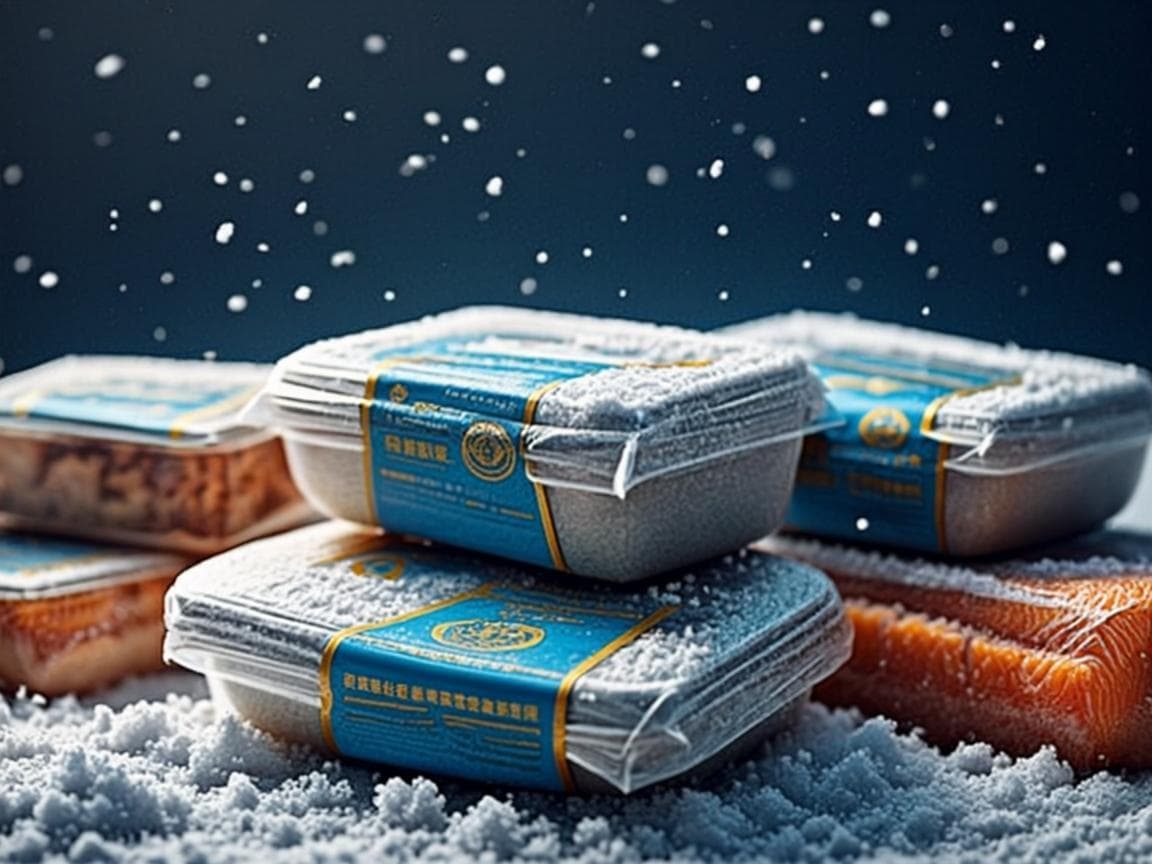
A cold chain label is specified with three decisions: a plastic film substrate (BOPP or PET, never paper), a modified acrylic adhesive for low temperature (-40 °C to +70 °C), and inks with a protective laminate. With those three, the label survives -18 °C chambers, thaw cycles, and the condensation of the moment the product hits the shelf. With a standard paper label and hot-melt adhesive, peeling is not a risk: it is a scheduled certainty.
ETIVAL (plant in the Valley of Mexico) manufactures frozen-product labels in flexography with up to 8 inks on , PET, and heat shrink sleeves, with cryogenic-range certified by peel testing at -18 °C. Runs from 5,000 pieces for pressure-sensitive labels and 10,000 for sleeves, with validation on your actual container before the run.
Why a normal label falls off in the freezer
The failure has two physical causes, not supplier bad luck:
- 01Adhesive crystallization: conventional hot-melt loses tack and cohesion at low temperature — it turns rigid and glassy, and the anchoring achieved at room temperature breaks under the vibration of refrigerated transport.
- 02Surface condensation: on leaving the freezer, ambient moisture condenses on the cold container and forms a film of water between label and surface. An adhesive with no affinity for water cannot push through that film: the label “floats” and peels off.
- 03Absorbent : takes on that same moisture, deforms, yellows, and transfers the damage to the ink. The artwork doesn't just fall off: it becomes illegible before falling.
The complete recipe: substrate, adhesive, and ink
The three layers must be specified together — a single poor choice among them compromises the other two:
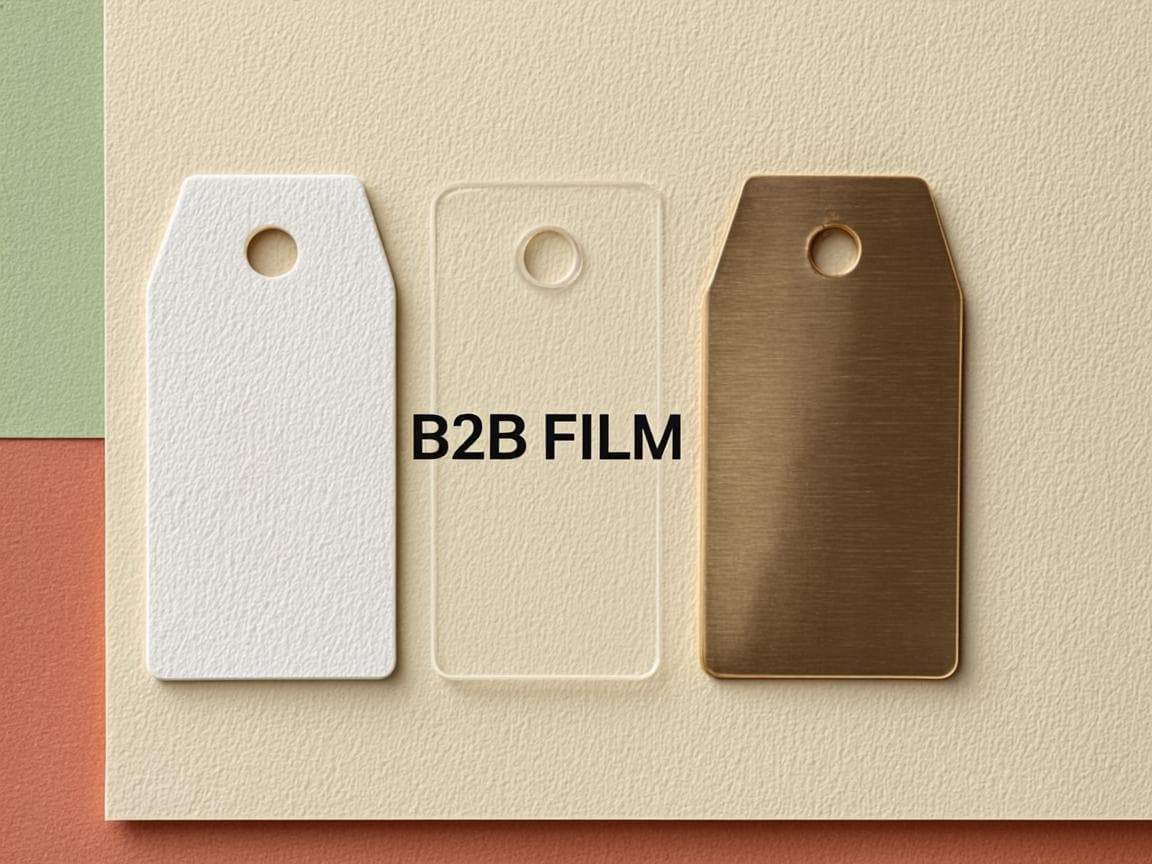
- Substrate — white (opaque) or transparent BOPP for bottles and jars with condensation; PET for maximum chemical demands (sauces, seafood, chemicals); PET-G in a heat shrink sleeve when you want a total fit to the container with no adhesive in sight.
- Adhesive — modified acrylic with an operating range of -40 °C to +70 °C: its glass transition temperature (Tg of -55 °C) sits below the freezing point, which is why it keeps tack in the cold and displaces the condensation film as it anchors.
- Inks and finish — UV inks with a laminate or varnish that seals the artwork against moisture and ice friction; the regulatory information (NOM-051, lot, expiration) must remain legible after freeze cycles.
Material selection by type of frozen product
How to validate before authorizing the run
The freezing test is done on the actual container, not on laboratory glass. The protocol in short: apply the samples, condition 24 hours at -18 °C, evaluate cold peel (minimum 2.5 N/25 mm per modified FINAT FTM-1), run a thaw-refreeze cycle, and verify ink legibility. If the ten samples make it through 48 hours without peeling or the ink running, the material is approved.
Costly mistakes when buying freezer labels
- Buying on price per thousand without specifying the adhesive: the cheapest label of the month becomes the most expensive reprint of the quarter when retail returns unlabeled product.
- Testing only at room temperature: 90 % of peeling happens at the point of sale, with condensation — exactly the scenario a desk test never covers.
- “Water-resistant” paper: no paper competes with BOPP in freezing; the coating delays the damage a few hours, it does not eliminate it.
- Forgetting the full cycle: freezing → transport → thaw on the shelf → refreezing at home. The material must survive all four legs, not just the first.
Temperature ranges, NOM-138, FDA and ISEGA, and the 48 h protocol step by step.
Quotation in under 24 h with the material's technical analysis included.
ETIVAL Editorial Team
We manufacture for all of Mexico · ISO 9001:2015
More guides
Apply this to your project.
A technical advisor reviews your case in under 24 business hours.