

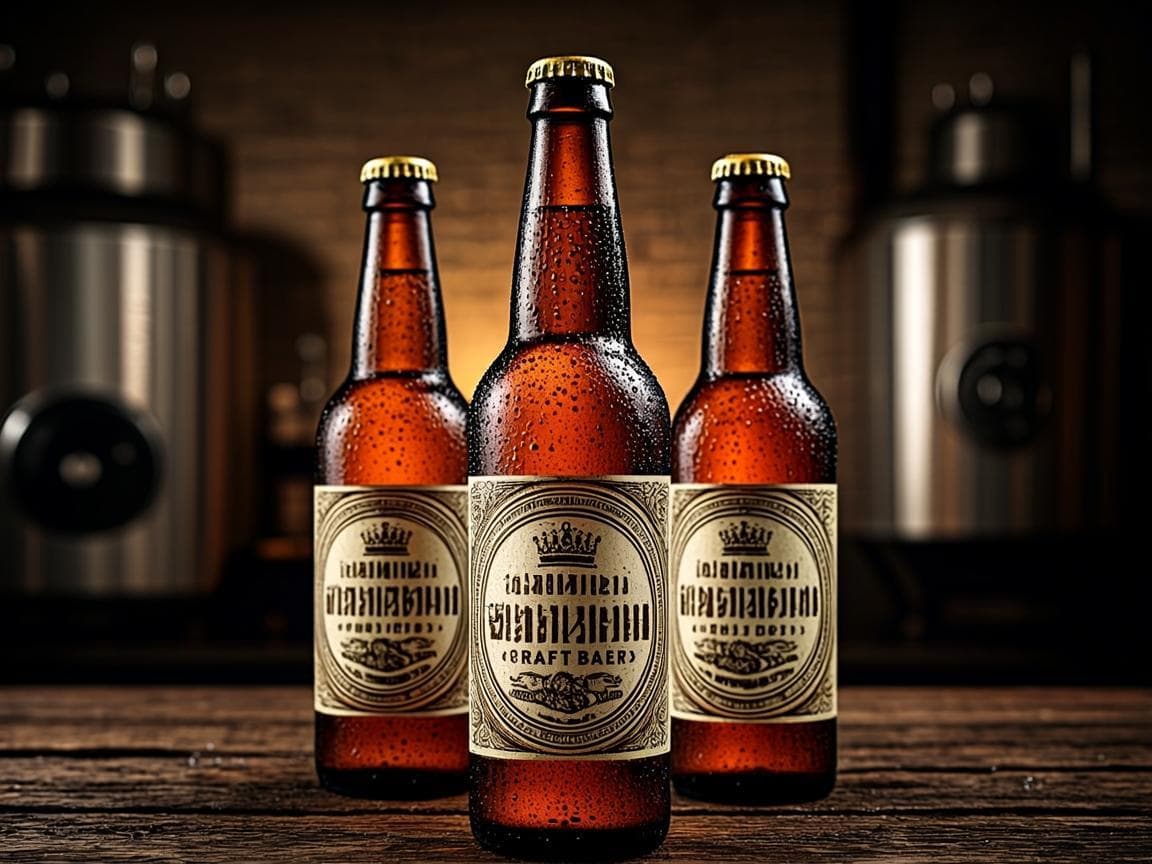
A brewery's first label is born between three mistakes that repeat batch after batch: assuming NOM-051 front-of-pack labeling applies (beer is an alcoholic beverage: NOM-142-SSA1 governs), ordering «labels for a bottle» without the exact unwind measurement, and stamping paper on a product that will live in ice. This guide sorts out the first order's four decisions: regulation, measurement, material and volume.
ETIVAL prints craft beer labels in materials that survive ice and condensation, from 5,000 pieces in flexography, with a of the artwork and samples on your actual bottle before authorizing the run.
- NOM-142
- The labeling standard that does apply: pre-packaged alcoholic beverages
- 5,000
- Minimum labels on pressure-sensitive flexo (selected projects)
- 15 days
- Business days from brief to delivery; repeats in 8
- 24 h
- Formal quote with a technical advisor
Which regulation applies to beer (and which don't)
- NOM-142-SSA1 does apply (pre-packaged alcoholic beverages): health warning in capitals, alcohol by volume (% Alc. Vol.), net content, producer name, batch and country of origin.
- front-of-pack labeling does NOT apply: the excess octagons are for pre-packaged food and non-alcoholic beverages — your beer doesn't need them.
- There is no «CRT for beer»: no regulatory-council report exists; your natural verifier is the commercial-information authority (PROFECO) at point of sale.
- If you also export, the label must comply with the destination country's rules — a good design reserves separate layers for per-market .
The health warning prints complete and unabbreviated: «EL ABUSO EN EL CONSUMO DE ESTE PRODUCTO ES NOCIVO PARA LA SALUD» («excessive consumption of this product is harmful to health»). Designs that integrate it elegantly from the first draft avoid the urgent redesign; the ones that paste it on at the end don't.
How to measure your bottle: the exact unwind
A wraparound label isn't ordered by «standard size»: it's ordered by unwind — the cylindrical panel's perimeter times the usable height. Two «355 ml» bottles from different makers rarely share an unwind.
- 01Measure the panel's contour with a tailor's tape or string (the bottle's full turn in the label zone), not the diameter.
- 02Measure the usable height: from where the shoulder starts to where the base curve begins to close.
- 03Define the overlap: 3–5 mm of overlap for gluing a wraparound, or the exact gap if the design is a clear «no-label look».
- 04If you carry a neck label and a back label, measure each panel separately and document them together.
- 05Send the physical bottle to the supplier: validating dimensions on the real container avoids the classic «it came out short» of the first run.
The material that survives the ice
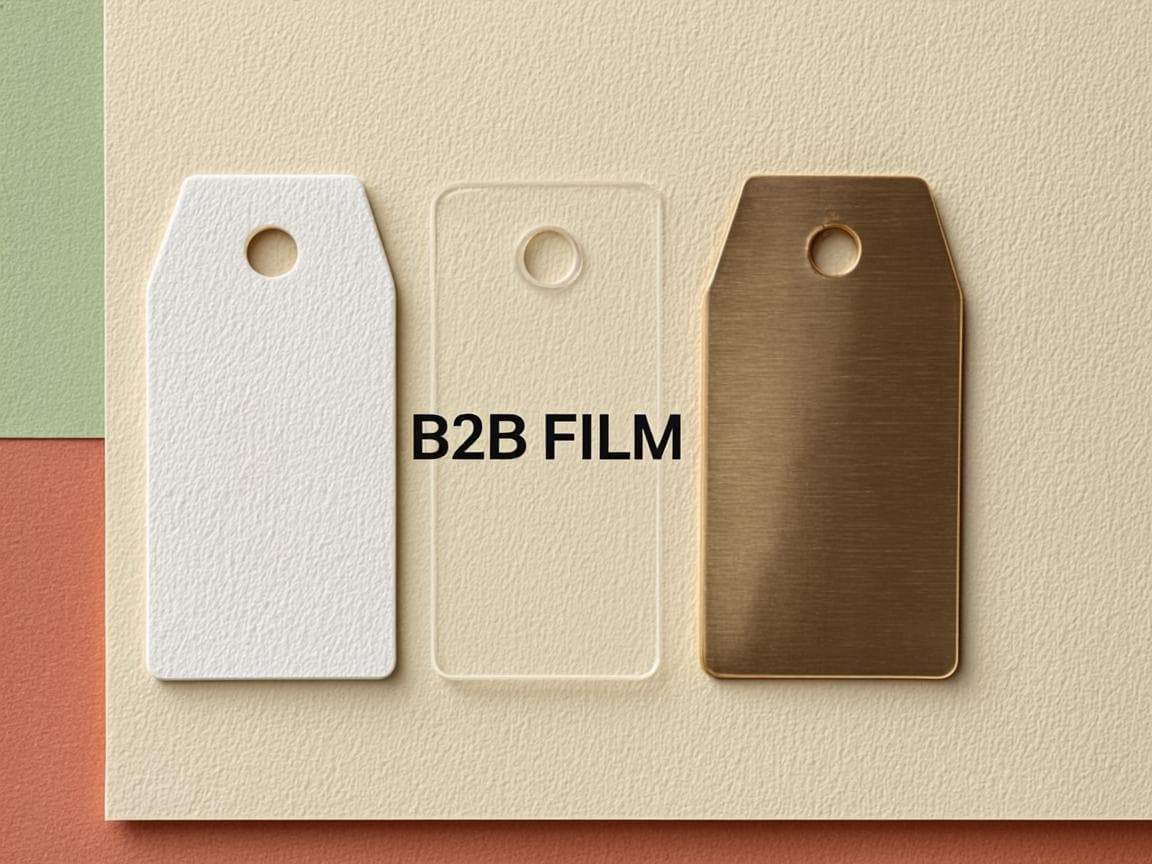
Craft beer lives in ice: festivals, beer markets, coolers. absorbs condensation, deforms, yellows and peels — exactly when the consumer is holding the bottle. The correct standard is (white or clear) with an acrylic adhesive: it takes no water, keeps the artwork legible and the glue line intact. The «artisanal paper» look isn't lost: it's printed on matte textured BOPP with flat inks.
Material by craft beer selling condition
Launching without overpaying: minimums, breaks and repeats
First-order volume is the launch's financial decision. Flexo minimums (5,000 pressure-sensitive) cover a regional brand's first chapter; price breaks lower the unit cost 15–35% from 50,000 to 250,000 — but ordering extra to «win the break» freezes capital in a design that may change after the first sales. The mature play: first run sized to 3–4 months of real consumption, repeats in 8 days when the style catches on, and reserved neck space for the bottling date.
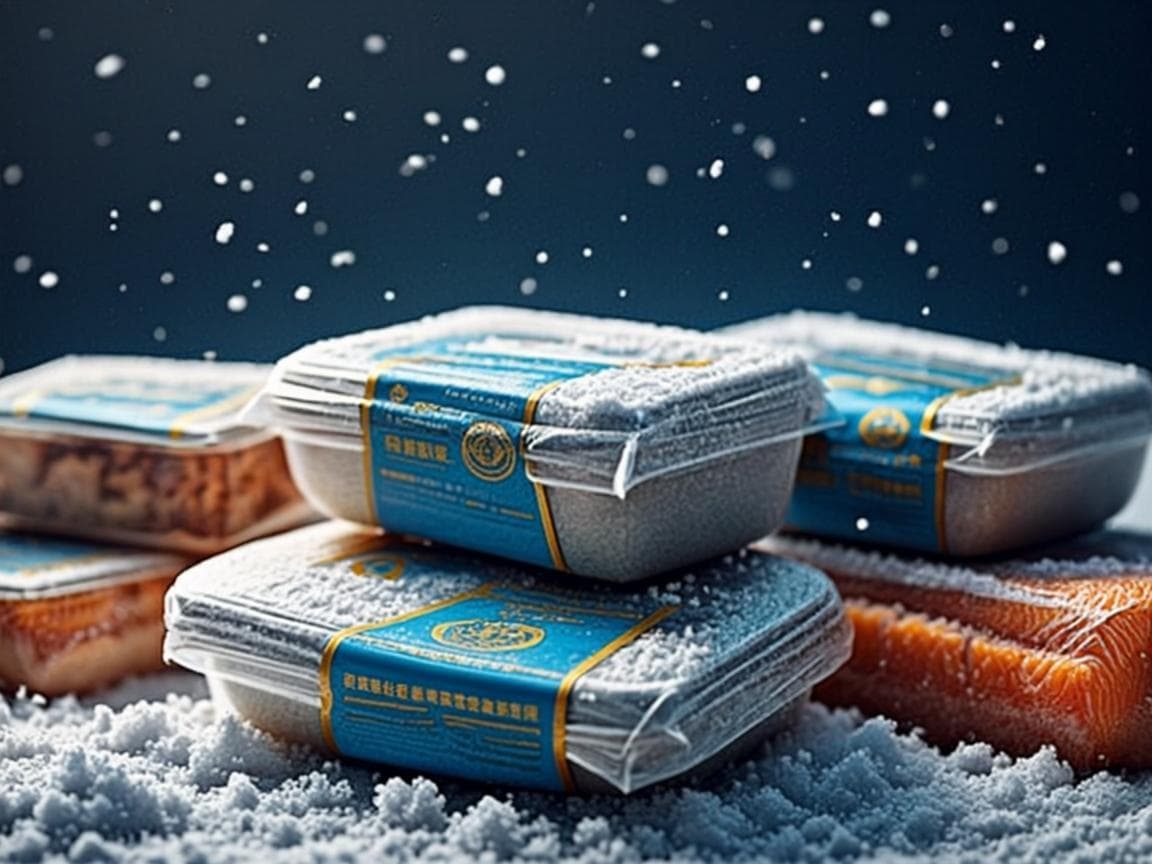
The complete protocol of materials and adhesives that withstand -18 °C and condensation.
Quote in under 24 h with the material analysis for your bottle.
ETIVAL Editorial Team
We manufacture for all of Mexico · ISO 9001:2015
More guides
Apply this to your project.
A technical advisor reviews your case in under 24 business hours.